English| EUR
Suggested for you
More currencies
Choose a language
Understanding the local terminology enhances the experience of visiting coastal Liguria. This ways to describe wine taste guide provides the context needed to appreciate the region's distinct viticulture.
Quick answer
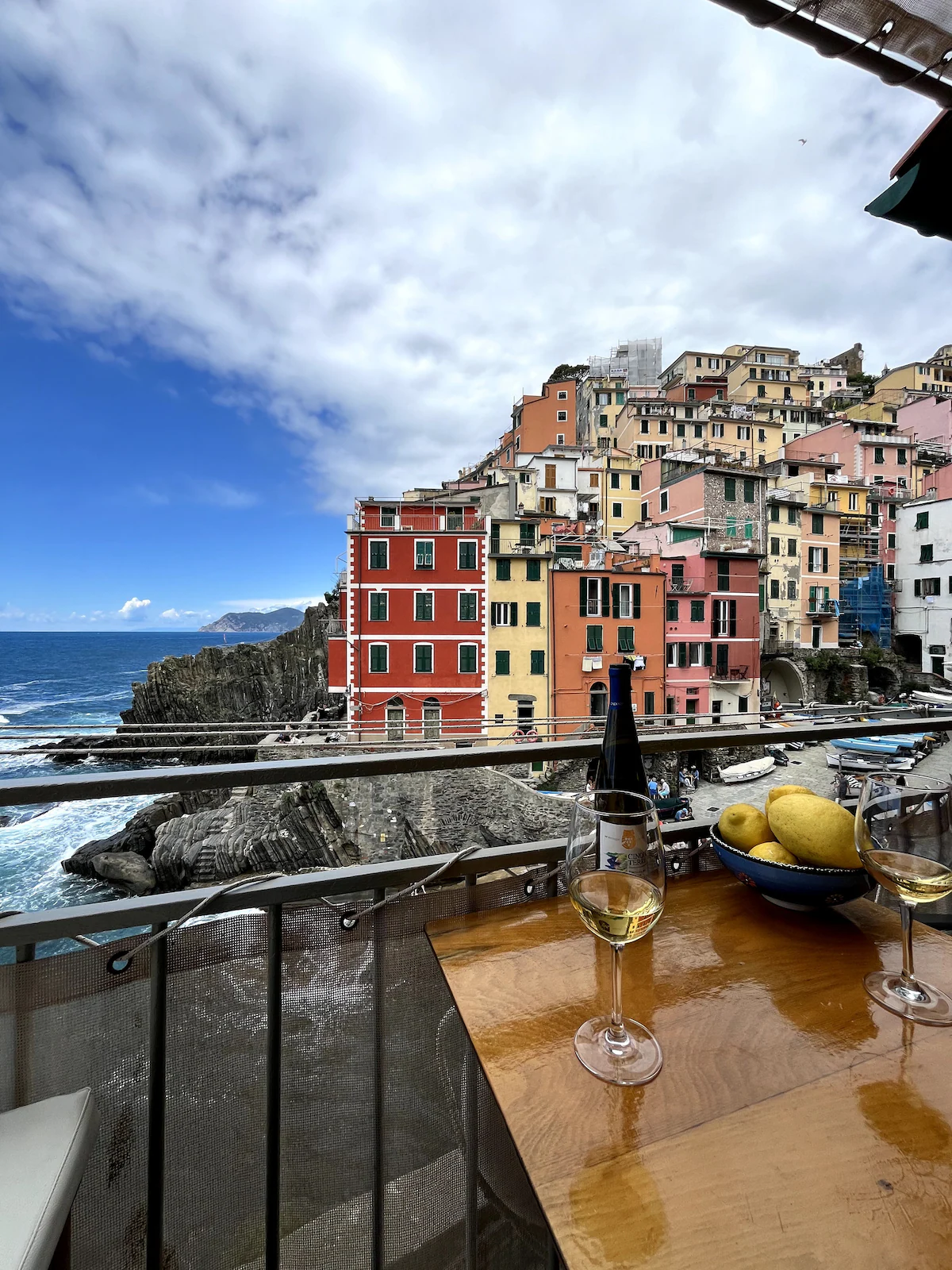
There is no entrance fee (0 EUR) to explore Riomaggiore’s public tasting venues; visitors simply pay per glass or bottle. The best ways to describe wine taste here involve noting the pronounced salinity and herbal notes driven by the steep terroir. Arrive during the optimal 17:00–20:00 window to sample these daily.
The vineyards surrounding this historic fishing village represent some of the most extreme agricultural environments in Europe. Cultivated on impossibly steep terraces held up by ancient dry stone walls, the local grapes endure constant exposure to harsh coastal elements. This dramatic landscape directly informs the ways to describe wine taste across the region. When visitors sit down overlooking the Ligurian Sea, they are not merely sampling a beverage; they are experiencing the liquid culmination of centuries of intense manual labor. The primary grapes—Bosco, Albarola, and Vermentino—thrive in this rocky, salt-sprayed soil. Because the Mediterranean climate dictates the ripening process, understanding the environmental pressures placed on the vines helps contextualize the sensory experience in the glass. Participating in a Cinque Terre wine tasting requires an appreciation for how geography translates into flavor. The terraced vineyards sit so close to the water that sea spray physically coats the grapes during winter storms. This geographical quirk leaves an undeniable imprint on the final product. Evaluating local vintages often involves noticing an underlying salinity that cuts through the fruit profile. Furthermore, the surrounding vegetation, known locally as the macchia Mediterranea, contributes subtle aromatic complexities. Scents of wild rosemary, thyme, and pine frequently mingle with the primary grape aromas. The renowned DOC appellation ensures that traditional cultivation methods remain strictly enforced, preserving these distinctive regional characteristics year after year. Beyond the crisp, dry whites that dominate afternoon service, the area is historically celebrated for its rare dessert wine, Sciacchetrà. Produced from grapes left to dry on well-ventilated racks in the shade, this amber-colored specialty concentrates the sugars and natural acids into a complex, lingering finish. The production volume remains deliberately low, making a pour of this sweet nectar a sought-after milestone for visiting enophiles. Grasping the agricultural heritage behind these bottles elevates a simple sunset drink into a deeper cultural study. Ultimately, the most accurate ways to describe wine taste in this coastal enclave rely on connecting the sensory notes back to the sun-baked stones and salty breezes that define the territory.
“The terraced vineyards sit so close to the water that sea spray physically coats the grapes, leaving an undeniable imprint on the final pour.”
The best arrival window is 17:00–20:00, as this aperitivo hour offers the ideal environment to practice sensory analysis. During this period, the lighting and atmosphere in Riomaggiore support a focused examination of wine characteristics.
Mild temperatures (15°C–22°C)
Pleasant conditions for outdoor tasting and observing color clarity.
Warm temperatures (25°C–30°C)
Lively evenings with vibrant bar activity near the coast.
Cooler temperatures (18°C–23°C)
Ideal for evaluating complex aromas without heat interference.
—
Quieter settings provide space for detailed note-taking.
Verdict: The best time to visit is during the aperitivo hour between 17:00 and 20:00 throughout April, May, September, or October.
Wine venues in Riomaggiore operate on a consistent daily schedule to accommodate visitors interested in exploring local viticulture. These hours remain standard throughout the week.
Visitors to wine tasting venues in Riomaggiore do not pay an upfront admission fee. Costs are determined entirely by the individual selections made during your visit.
Verdict: An adult pays only for the wine consumed, with final costs fluctuating based on whether you choose a single glass or a full bottle.
Understanding the local terroir helps identify the specific qualities found in Cinque Terre wines. Use these descriptors to evaluate the profile of regional white wines during your visit.
Due to the proximity of vineyards to the Ligurian Sea, wines often exhibit a distinct salty or saline finish. This character is attributed to sea spray and the mineral composition of the rocky slopes.
The steep, terraced vineyards consist primarily of sandstone and schist. These soils contribute a flinty or stony quality to the wine, providing structure and depth.
This local passito wine is known for its high residual sugar and complex flavors of dried apricot, honey, and nuts. It is typically produced from Bosco, Vermentino, and Albarola grapes.
Vermentino grapes grown in this region typically provide a crisp, high acidity. This sharpness balances the wine and makes it a common pairing for local seafood.
Bosco is a primary grape variety in Cinque Terre blends, often providing body and floral aromatics. It serves as the backbone for many local white wines, ensuring a consistent structure.
Tasting notes often include lemon zest, grapefruit, and wild herbs like sage or rosemary. These aromas reflect the Mediterranean scrubland, known as macchia, surrounding the vineyards.
Mastering the sensory profile of Cinque Terre wines requires focusing on specific regional characteristics during your tasting session.
Look for a sharp, mouth-watering sensation on the sides of your tongue, typical of Sciacchetrà or dry white Cinque Terre DOC wines. This brightness indicates the coastal climate and mineral-rich soil influence.
Swirl the glass and observe the legs to gauge viscosity, noting how the wine feels against your palate. Heavier wines often possess a more pronounced structure compared to lighter, high-acidity local whites.
Pay attention to the lingering taste after you swallow, focusing on whether the notes are fruity, saline, or herbal. A persistent finish that highlights sea salt nuances is a signature of wines grown on these terraced cliffs.
Inhale deeply before your first sip to identify floral or citrus notes, then compare them to the flavors experienced on the palate. Discrepancies often reveal the complexity of the fermentation and aging process.
Seek out the subtle, saline quality that defines regional viticulture due to the proximity of vineyards to the Mediterranean. This savory element is often the key differentiator when describing the unique profile of local dry white wines.
Everything you need to know about ways to describe wine taste
When exploring local vintages, finding effective ways to describe wine taste often involves identifying notes of salinity, minerality, and citrus that reflect the coastal terroir. Many visitors look for descriptors like crisp, herbaceous, or honeyed to characterize the regional white varietals.
You can refine your wine sensory analysis by engaging with local sommeliers who explain the history of terrace viticulture while you sample. Practicing these ways to describe wine taste in a guided setting helps connect specific flavor profiles to the steep slopes of the region.
While there is no formal requirement for structured sessions, most venues operate on a walk-in basis where you can order by the glass. Understanding the best ways to describe wine taste enhances your appreciation as you transition from light, refreshing whites to the complex, sweet dessert wines.
Sciacchetrà, the signature passito of the area, is frequently defined by its apricot, dried fruit, and toasted nut profile. Using accurate ways to describe wine taste for this rare wine allows you to better appreciate the labor-intensive production process involved in its creation.
Beginners often start by identifying basic acidity, body, and finish before moving to more nuanced aromatic descriptors. Focusing on the balance of the wine is one of the most accessible ways to describe wine taste during an informal aperitivo hour.
Reservations are not strictly required, but checking availability for a guided session is recommended if you wish to deepen your knowledge. You can browse our current partner experiences to find a tasting that fits your travel schedule.